Key facts
Last updated: 30 October 2026- Solar and batteries for warehouses, workshops, farms and rural properties
- Each system sized from your actual electricity bills
- Three-phase commercial supplies are supported
- Fragile roof safety follows HSE guidance HSG33
- Interest-free credit up to £30,000, subject to status
- We install through MCS-certified partners
- Last updated: 30 October 2026
Who we work with
Farm Solar Scotland started with agricultural buildings, and the same approach works for any business with a roof, a field or a yard and a meaningful daytime electricity load. We work with four broad groups of clients across Scotland, from the Borders to the Highlands and Islands.
Commercial solar
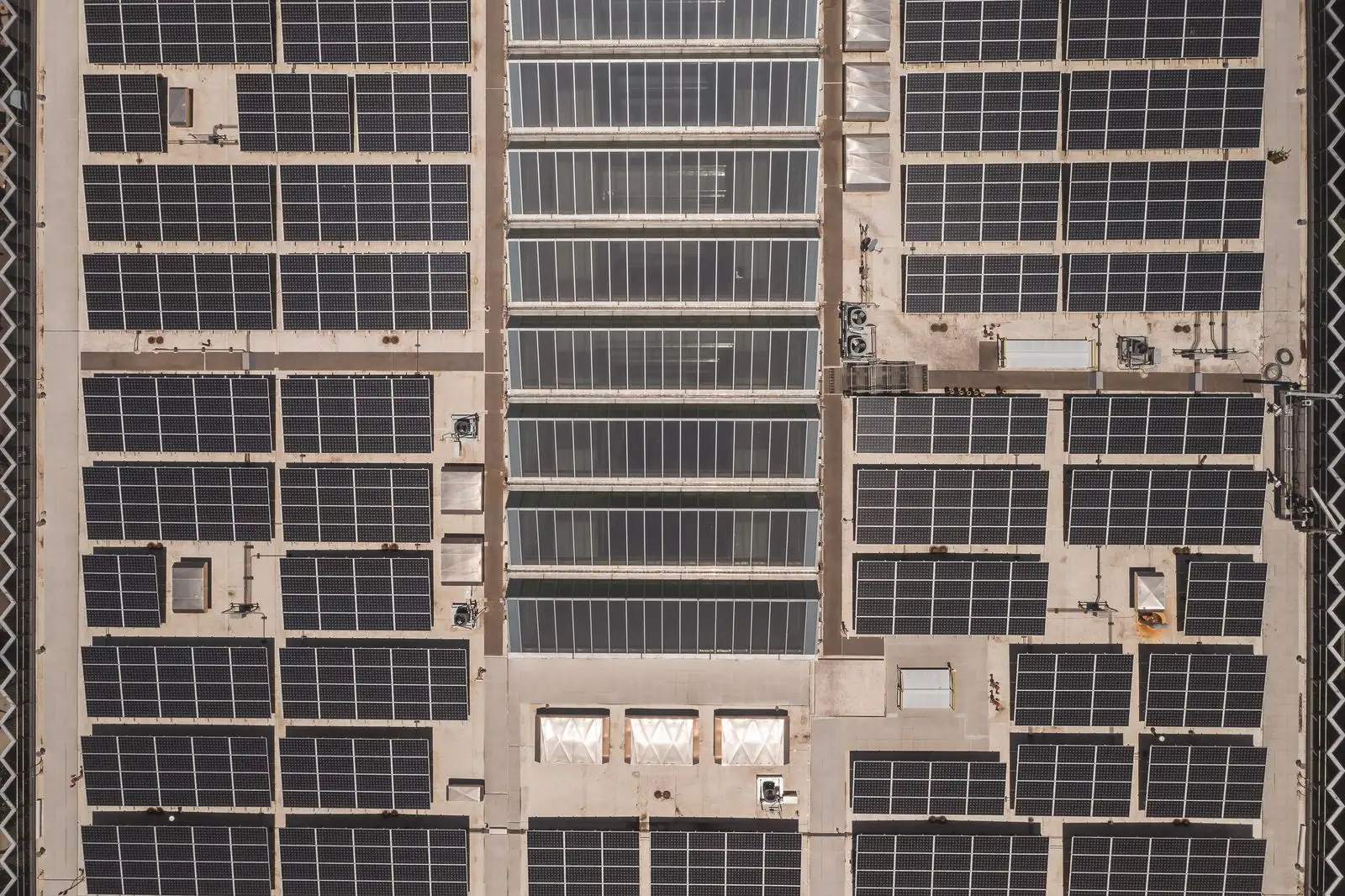
Warehouses, workshops, manufacturing units, garages and offices often have large, unshaded roofs and steady demand during working hours. That combination suits solar well, because most of the electricity is used on site as it is generated. We look at the roof covering, the structure, access for installation and the route back to your main board.
Commercial battery storage
A battery stores surplus solar so you can use it later, for example before the working day starts, during evening shifts or to support refrigeration and compressors. Batteries can also help on sites where the network operator limits how much you can export. We only recommend storage where your usage pattern supports it.
Farm solar
Dairies, grain stores, livestock units and mixed farms all use electricity differently. We size farm systems around milking, cooling, drying and workshop loads, and we plan carefully for fragile fibre cement roofs, livestock and the farm calendar. Read more in our farm solar sizing guide and our guide to agricultural roofs.
Rural properties
Farmhouses, cottages, holiday lets, estate buildings and rural venues often sit at the end of long overhead lines. Solar and batteries can cover daytime use and help with evening demand, designed to suit older buildings and rural grid supplies.
How a commercial or farm project works
- Initial conversation. You send your latest electricity bill and tell us about the site. We look at your usage and whether solar, a battery or both make sense.
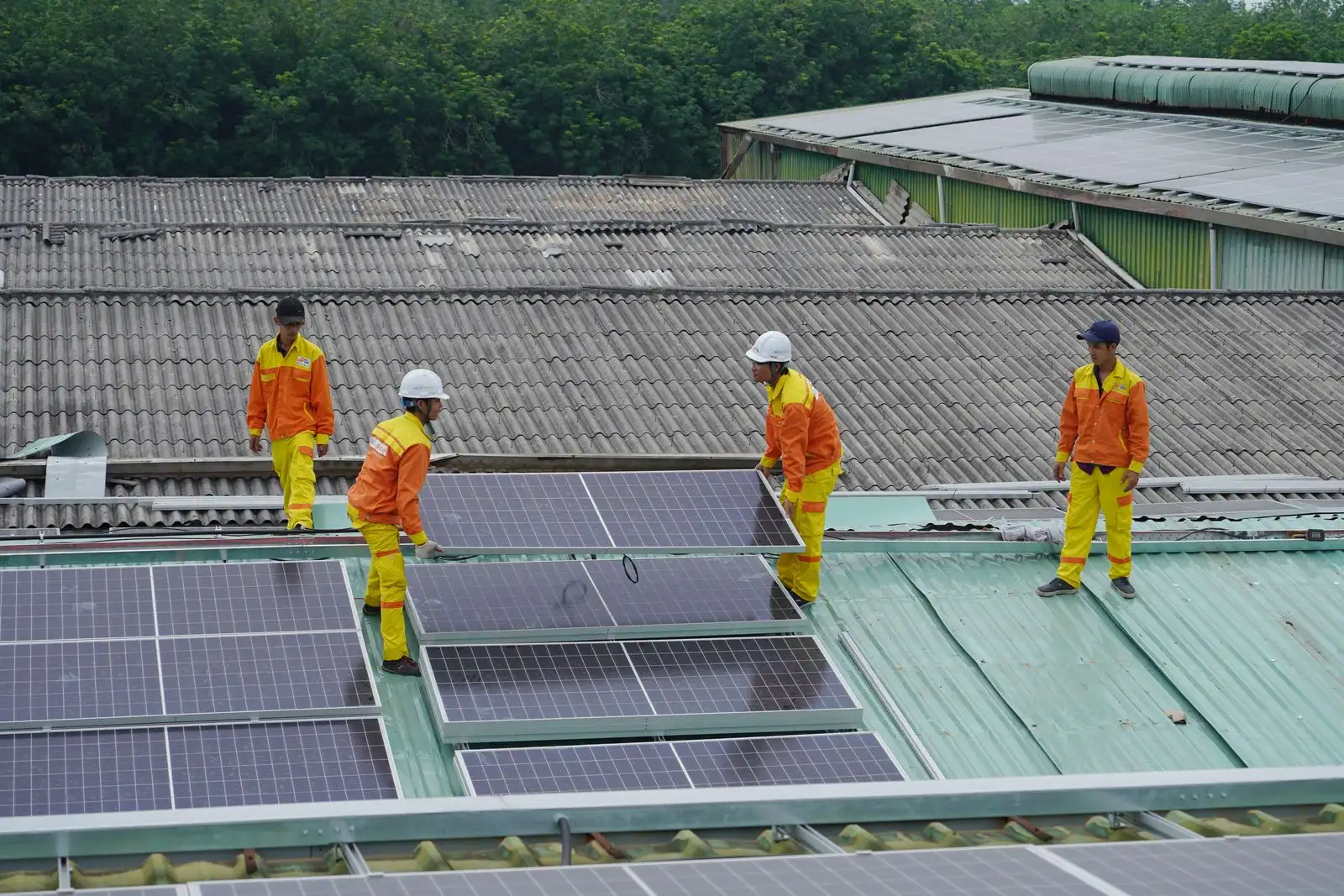
- Site survey. We inspect the roof or land, the structure, shading, the incoming supply and the distribution boards, and note any access or safety needs.
- Design and fixed quote. You receive a written quote with the system design, a site-specific generation estimate and everything included in the price.
- Grid application. We prepare and submit the G98 or G99 application to SP Energy Networks or SSEN.
- Installation and handover. The system is installed through our MCS-certified partners, tested, commissioned and handed over with documentation and monitoring.
Roofs, land and safety
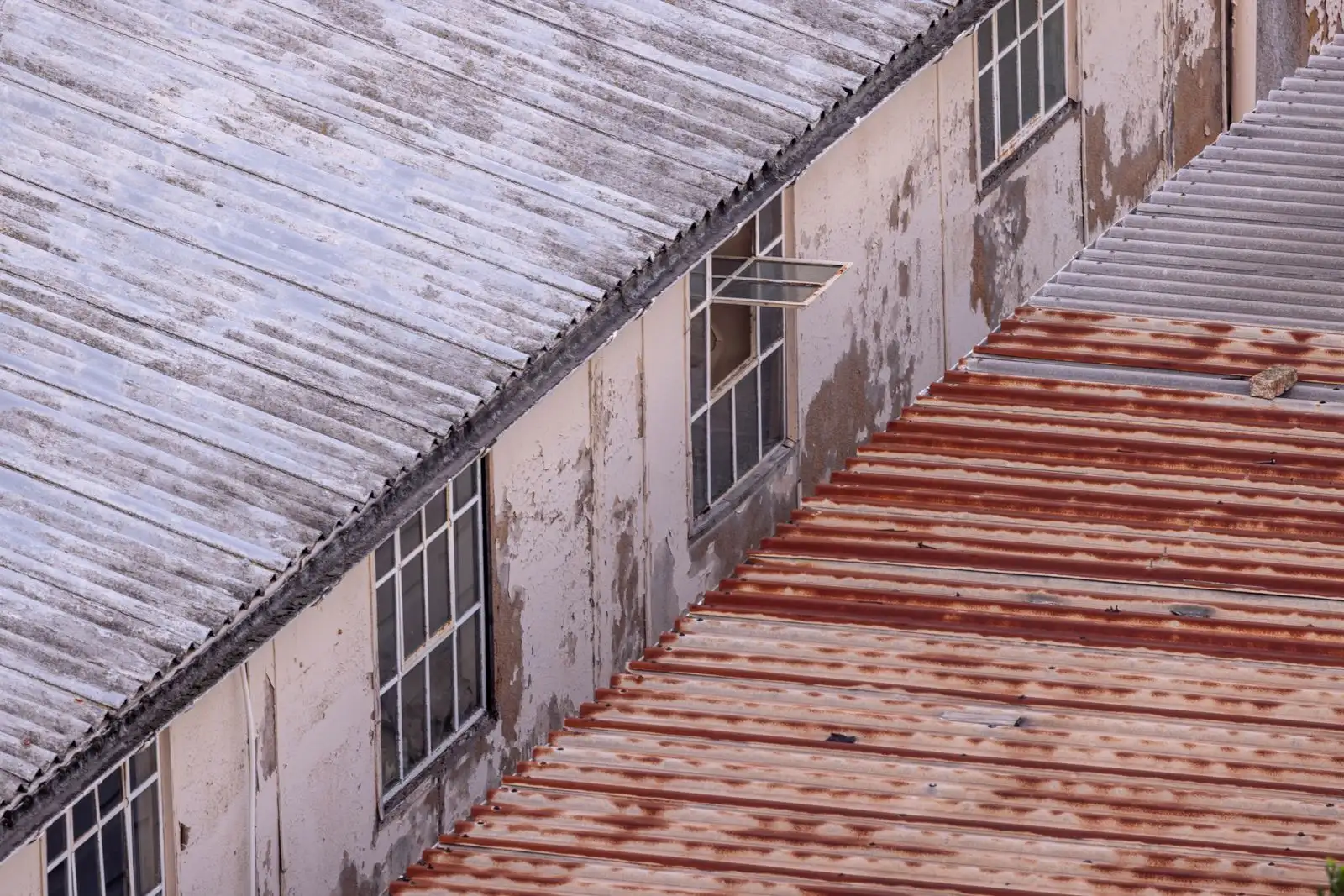
Many commercial and agricultural roofs are profiled metal or fibre cement. Metal roofs are usually straightforward, while older cement sheets may be fragile and need overcladding or a structural check. Work at height is planned under HSE guidance, with edge protection, safe access and exclusion zones around busy yards. Where roofs are unsuitable, a ground-mounted array on nearby land can be an alternative.
Paying for the system
Interest-free credit up to £30,000, subject to status.
You can pay outright, use finance or combine the two. Solar equipment on business premises may qualify for capital allowances; your accountant can confirm how this applies to you. Our finance and tax relief guide explains the options, and battery storage covers when a battery adds value.
Get a business or farm quote
Use the form below or call us on 0141 230 0198. Tell us the type of premises, your postcode and roughly what you use, and we will arrange a survey. For quick answers, see our farm solar FAQ.