Key facts
Last updated: 30 October 2026- Solar is worth it when you can use the electricity during daylight hours
- Self-consumption is worth more than exporting surplus to the grid
- Scotland produces strong solar output from spring to early autumn
- Dairies, grain stores and workshops line up well with solar generation
- Generation estimates already account for shorter winter days
- Every quote includes a site-specific generation estimate using the MCS method
- Last updated: 30 October 2026
What "worth it" actually means for a farm
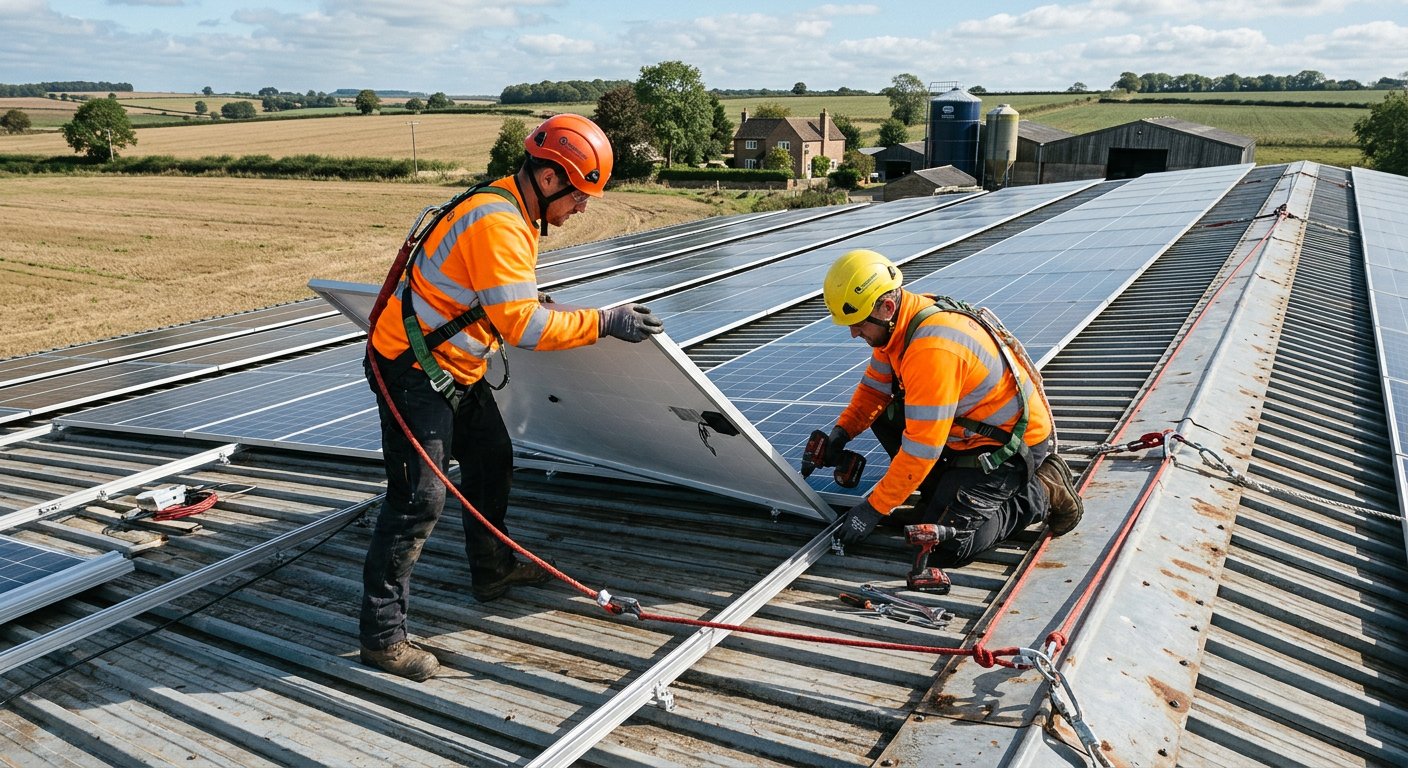
Solar pays its way on a farm by replacing electricity you would otherwise buy from your supplier. Every kilowatt hour you use on site is one you do not pay for at your commercial unit rate. Electricity you export back to the grid earns far less, so the maths is simple: the more of your own solar you consume, the better the return. That is why the first question is never about panels, but about when and how your farm uses power.
A farm that runs heavy loads through the middle of the day, such as a dairy with continuous milk cooling, gets far more value from solar than one whose demand is concentrated in the evening. We size every system to your usage pattern, not to fill a roof. Read our farm solar sizing guide to see how that works.
Self-consumption versus export
The gap between what you pay to import electricity and what you earn from exporting it is large, and it is the single biggest factor in whether solar is worth it. Power used on site during daylight replaces a full unit purchase. Power sent to the grid earns an export tariff that is considerably lower.
- High self-consumption: dairies, workshops and any operation with daytime demand use most of their solar directly.
- Low self-consumption: farms whose heaviest loads fall at night export most of their solar and import again after dark.
- Boosting self-consumption: a battery can shift midday surplus into early-morning or evening hours, or load-shifting can move flexible tasks into daylight.
If your local grid limits how much you can export, self-consumption matters even more. A grid connection assessment tells you what is possible at your site.
Does the Scottish climate change the answer?
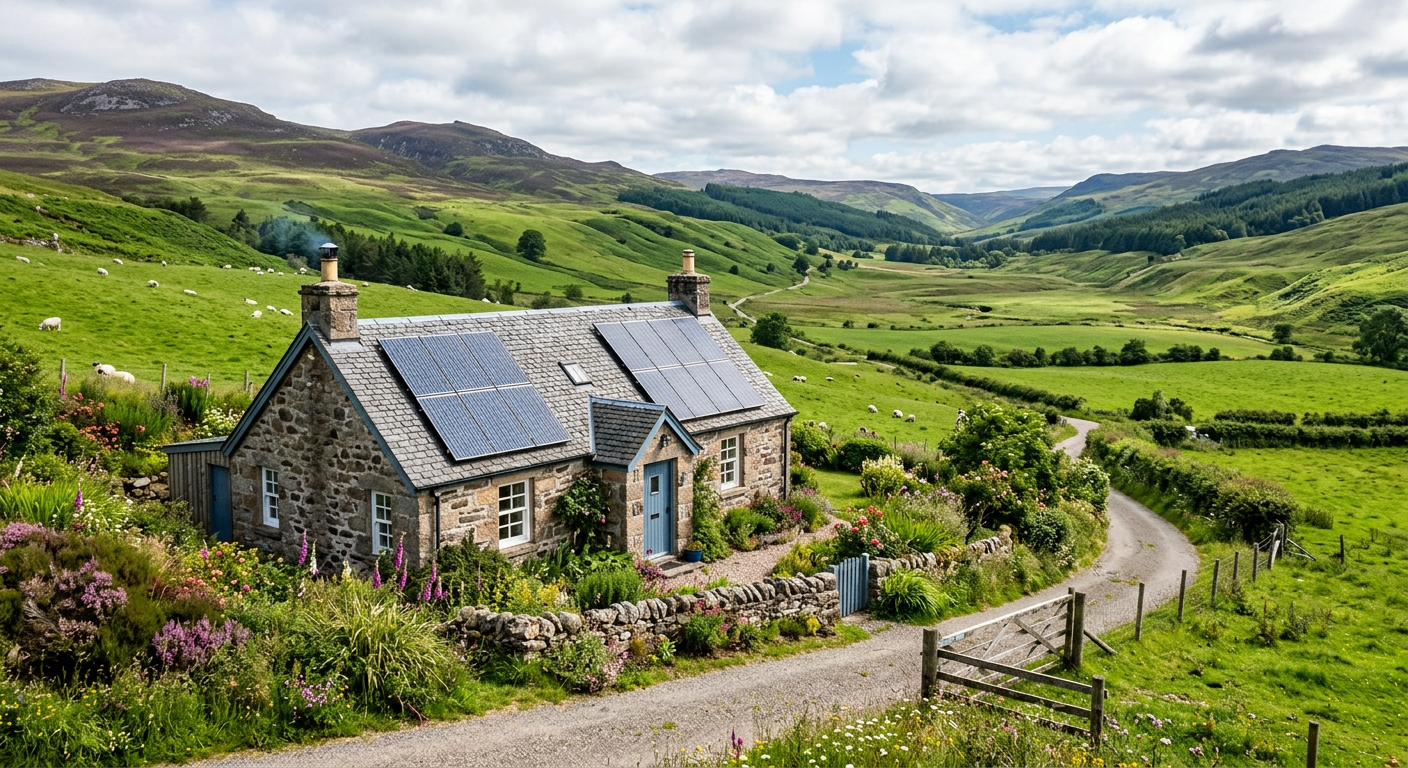
Scotland has a reputation for grey weather, but solar does not need clear blue skies to work. Panels generate from daylight, including on overcast days, and the long summer days at northern latitudes give extended generation hours from May to August. The bulk of annual output falls between spring and early autumn, which lines up well with grazing-season dairy loads, harvest-time grain drying and the busiest period for many diversified farm businesses.
Winter output is real but much lower, because the days are short and the sun stays low. Your generation estimate, calculated using the MCS method for your location and roof, already accounts for the seasonal pattern. You are working from a full-year figure, not a summer peak.
When solar makes sense, and when it does not
Solar makes sense when your roof or land is sound and reasonably unshaded, your daytime demand is meaningful, and your grid connection can accommodate the system. It makes less sense when your heaviest loads run at night and cannot be shifted, when the roof is in poor condition and needs major work, or when the local grid has no spare capacity and reinforcement is impractical.
Our approach: we model your usage and survey your site before recommending anything. If solar is not the right answer for your farm, we will tell you rather than force a design.
How to find out if it is worth it for you
Send us your latest electricity bill. We model your demand against expected generation for your postcode and roof, check the grid connection and give you a fixed written quote with a site-specific generation estimate. For ways to pay, read our farm solar finance guide.
For more answers, visit Scottish Energy Efficiency for a wider set of energy questions.