Key facts
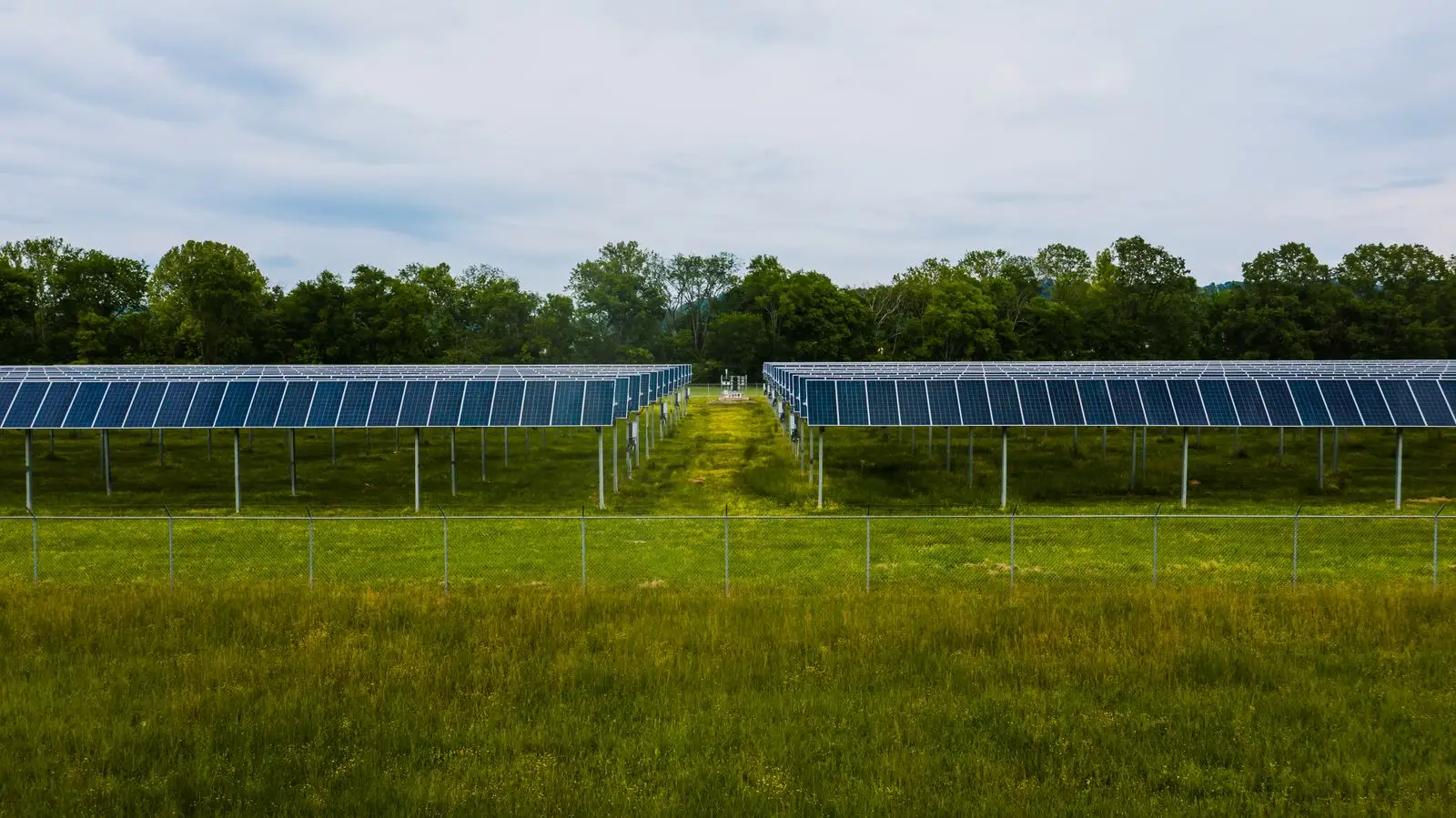
Last updated: 30 October 2026- Ground-mounted arrays suit farms with fragile, shaded or small roofs
- Panels can face due south at the ideal tilt for maximum yield
- Sheep can graze beneath the panels; cattle and horses cannot
- Driven or screwed pile foundations avoid large concrete pads
- Planning permission is often needed for field arrays in Scotland
- Larger arrays need a G99 application to SPEN or SSEN
- Last updated: 30 October 2026
When a field array makes sense
Roof systems are usually the cheapest place to start, but they are not always possible. A ground-mounted array is worth considering when:
- Roofs are fragile, asbestos cement, listed or heavily shaded.
- Demand is larger than your roofs can meet, for example on grain drying or large dairy units.
- You have a low-value field, a corner or a paddock close to your electrical supply.
- You want the best possible yield, with panels set at the ideal tilt and facing due south.
Choosing the right field
Orientation and shading
A gentle south-facing slope is ideal. Trees, hedges, buildings and hills to the south cast long winter shadows at Scottish latitudes, so rows are spaced further apart than in southern England.
Distance to the connection point
The array has to be cabled back to your distribution board or a new connection. Long trenching runs add cost, so the closest suitable field often wins over the flattest.
Ground conditions and access
Frames are usually fixed with driven or screwed piles. Very rocky ground, peat or waterlogged fields can need different foundations. Installation vehicles need reasonable access in the build window.
Planning permission
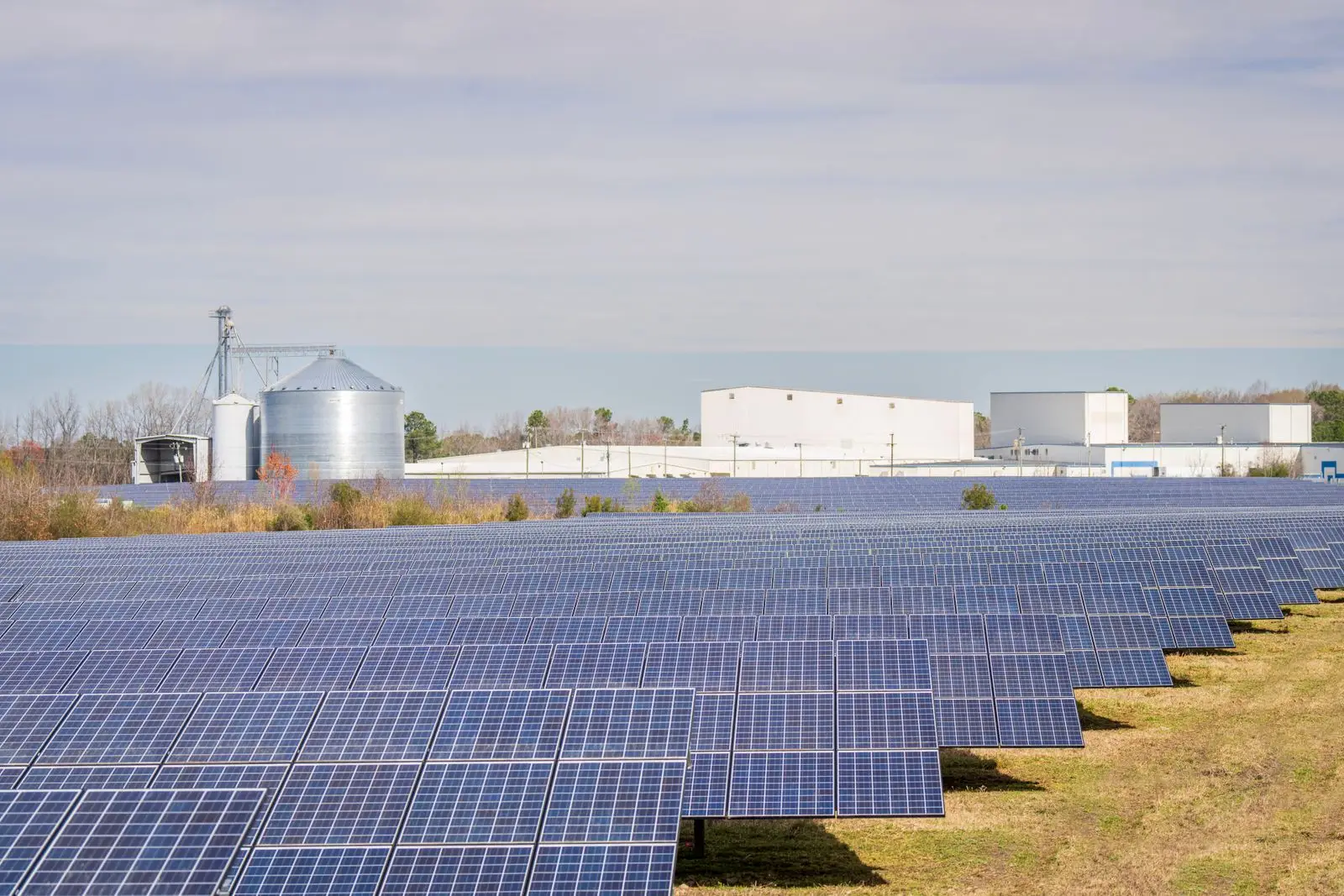
Rooftop solar on agricultural buildings is usually permitted development, but ground-mounted arrays are assessed differently. Whether you need consent depends on the size of the array, its location, and any designations such as National Scenic Areas, conservation areas or nearby listed buildings. Your local council's planning team makes the decision.
We check the planning position before you commit and, where an application is needed, prepare the layout drawings and supporting information. Screening with existing hedges, keeping arrays low and avoiding skylines all help.
Land use: a field array can sit alongside farming. Sheep grazing under panels is common, and arrays can be designed for later removal, returning the field to full use.
Size, yield and connection
Field arrays can be set at the ideal tilt and orientation, which helps generation, and your quote includes a site-specific estimate. Larger arrays will almost always need a G99 application to your network operator, and in some rural areas an export limit or zero-export design. Pairing the array with battery storage can raise how much you use on site.
Next steps
Compare a field array with your roofs in our farm solar sizing guide and our guide to agricultural roof solar. For ways to pay, see farm solar finance, and for quick answers, the farm solar FAQ.